Guide
Plus-sizing, done right
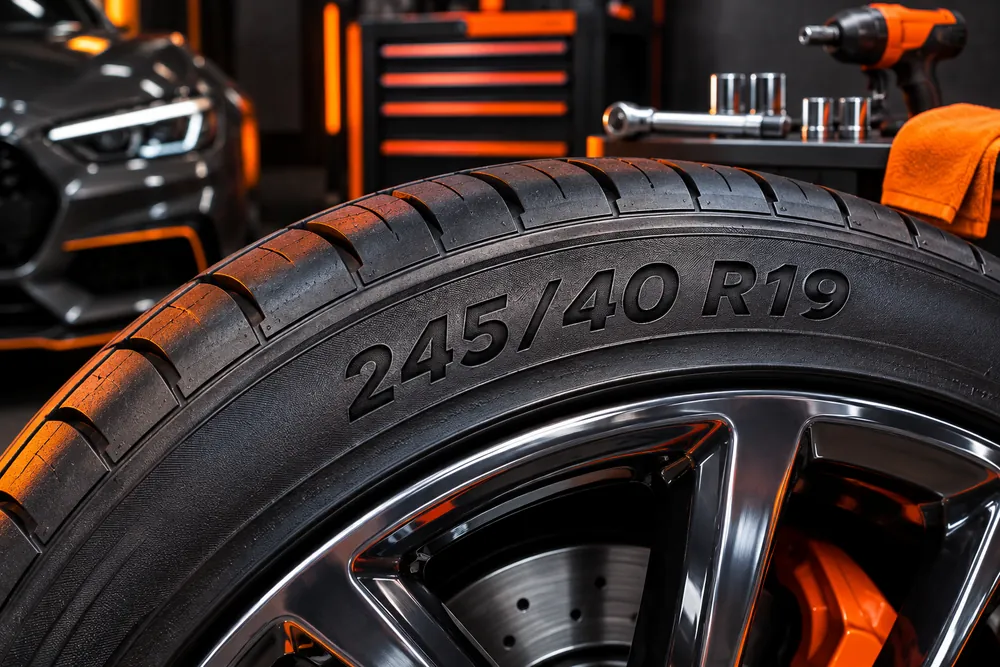
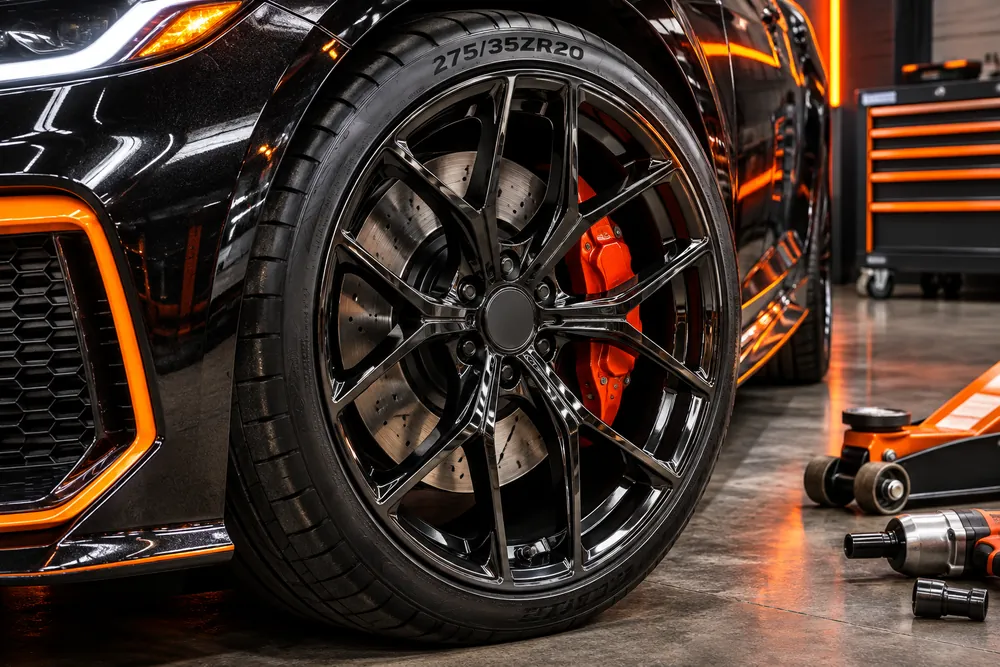
Bigger wheels look great. The trick is keeping the overall tire diameter close to stock.

The short answer
When you go up an inch in wheel size (+1), choose a tire with a shorter sidewall so the overall diameter stays within about 3% of the original. That keeps your speedometer accurate and avoids rubbing. Our tire size calculator does the math.
How it works
A +1 upgrade from 225/45R17 to 225/40R18 adds an inch of wheel and trims the sidewall to compensate, so the overall diameter barely changes.
Trade-offs
- Pros: sharper looks, quicker steering response, more grip from wider tires.
- Cons: a firmer ride, more risk of pothole damage, and usually higher tire prices.
Rules of thumb
- Keep the overall diameter within about 3% of stock.
- Keep the load index at or above the original.
- Check the wheel's load rating, especially on heavy SUVs and trucks.
Compare sizes in the tire size calculator.
Gear for this job
As an Amazon Associate we earn from qualifying purchases. Links go to Amazon search results so you can compare options and prices.
Updated November 24, 2026. General information; confirm fitment, specs and torque values for your exact vehicle.